
Dental Crown Misconceptions: Revealing the Truth About Modern Dental Crowns
Last Updated: 2026
By: Dr. Theo Batistas, DDS – Loudoun Dental Associates
Dental crowns are one of the most common restorative dental treatments used to repair damaged or weakened teeth. Yet many patients still hesitate to get a crown because of outdated information or common misconceptions.
The truth is that modern dental crowns are more durable, natural-looking, and comfortable than ever before. Advances in materials and digital dental technology have dramatically improved both the patient experience and long-term outcomes.
In this guide, we’ll explore the most common myths about dental crowns, explain how crowns work, and discuss the latest trends in restorative dentistry.
What Is a Dental Crown?
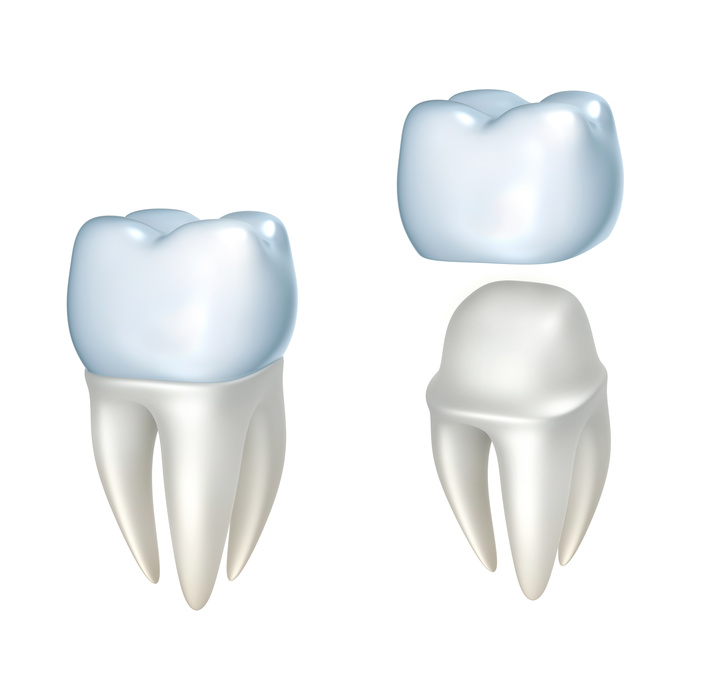
A dental crown is a custom-made cap placed over a damaged or weakened tooth. It restores the tooth’s:
- strength
- shape
- appearance
- function
Crowns are commonly recommended for:
- teeth with large fillings
- cracked or weakened teeth
- teeth after root canal treatment
- severely worn teeth
- cosmetic improvements
Crowns protect the remaining tooth structure and allow patients to chew and speak comfortably again.
Dental crowns remain one of the most widely used restorative treatments in dentistry, with millions placed each year in the United States.
Common Misconceptions About Dental Crowns
Many concerns about crowns come from outdated information. Let’s look at the most common myths and what modern dentistry tells us today.
Myth #1: Dental Crowns Look Fake
Many patients worry that crowns will stand out or look unnatural.
The Truth
Modern dental crowns are designed to match the color, translucency, and shape of natural teeth. Advanced materials such as porcelain and zirconia can mimic the way natural enamel reflects light.
Using digital shade matching and custom fabrication, dentists can create crowns that blend seamlessly with surrounding teeth.
For most patients, it is nearly impossible to tell which tooth has the crown.
Myth #2: Dental Crowns Break Easily
Another common concern is that crowns are fragile.
The Truth
Modern crowns are made from high-strength materials such as zirconia, porcelain, or porcelain-fused-to-metal, which are designed to withstand normal chewing forces.
In fact, some crown materials are stronger than natural tooth enamel.
With proper care, dental crowns can last many years.
Myth #3: Dental Crowns Last Forever
Some people assume that once a crown is placed, it never needs replacement.
The Truth
Like any dental restoration, crowns have a lifespan.
Typical longevity includes:
- Porcelain crowns: 10–15 years
- Porcelain-fused-to-metal crowns: 10–15 years
- Zirconia or metal crowns: up to 20 years or more
Factors that affect crown lifespan include:
- oral hygiene
- teeth grinding
- diet
- bite pressure
- regular dental visits
With proper care, many crowns last significantly longer.
Myth #4: Getting a Crown Is Painful
Many patients worry that crown procedures are uncomfortable.
The Truth
Modern dentistry uses advanced anesthesia techniques and digital technology to make crown procedures comfortable.
Most patients report that the experience is similar to receiving a filling.
In addition, many practices now use digital impressions instead of traditional molds, making the process easier and more accurate.
Myth #5: Crowns Require Removing the Entire Tooth
Some patients think that placing a crown means losing most of the tooth.
The Truth
A crown is designed to preserve as much of the natural tooth as possible.
The dentist reshapes the outer portion of the tooth so the crown can fit securely, but the root and healthy tooth structure remain intact.
The crown then acts as a protective layer over the remaining tooth.
Modern Advances in Dental Crowns
Dental crown technology has evolved rapidly in recent years. Today’s crowns are stronger, more precise, and more comfortable than earlier versions.
Here are some of the most important advancements shaping modern crown treatments.
Advanced Crown Materials
New materials have dramatically improved the durability and aesthetics of dental crowns.
Popular materials today include:
Zirconia Crowns
- extremely strong
- highly biocompatible
- resistant to wear and staining
- often last up to 20 years or longer
Lithium Disilicate Crowns
- excellent for front teeth
- natural translucency
- strong yet aesthetically pleasing
Porcelain Crowns
- natural appearance
- ideal for cosmetic restorations
New-generation ceramic materials combine strength with lifelike aesthetics, making crowns more durable than older materials.
Same-Day Crowns
Many dental offices now offer same-day crown technology using CAD/CAM systems.
This allows dentists to:
- scan your tooth digitally
- design the crown on a computer
- mill the crown in-office
The entire process can often be completed in a single visit.
Digital workflows also improve accuracy and fit.
3D Printing and Digital Dentistry
The future of dental crowns is being shaped by technologies such as:
- 3D printing
- digital scanning
- AI-assisted design
- CAD/CAM fabrication
These innovations allow dentists to create highly customized restorations with exceptional precision, improving comfort and longevity.
When You May Need a Dental Crown
Your dentist may recommend a crown if you have:
- a cracked tooth
- severe tooth decay
- a tooth weakened by a large filling
- a tooth after root canal treatment
- worn or broken teeth
- cosmetic damage
Crowns restore both function and appearance, allowing patients to chew normally while protecting the tooth from further damage.
How to Make Your Dental Crown Last Longer
Proper care is essential for maximizing the lifespan of your crown.
Helpful habits include:
- brushing twice daily
- flossing around the crown
- wearing a night guard if you grind your teeth
- avoiding chewing hard objects
- attending regular dental checkups
Regular dental visits allow your dentist to monitor the crown and surrounding tooth.
Dental Crowns in Loudoun County
Patients in Loudoun County and surrounding communities rely on dental crowns to restore damaged teeth and maintain healthy smiles.
At Loudoun Dental Associates, our team uses modern dental technology and high-quality materials to provide durable, natural-looking crowns.
Our goal is to create restorations that:
- protect your teeth
- restore comfort when chewing
- enhance the appearance of your smile
Schedule a Consultation
If you have a damaged or weakened tooth, a dental crown may be the best solution to protect it.
Our team at Loudoun Dental Associates can evaluate your tooth and recommend the most appropriate treatment for your oral health.
Contact our office today to schedule an appointment.
Frequently Asked Questions About Dental Crowns
How long do dental crowns last?
Most dental crowns last 10–15 years, although stronger materials such as zirconia or metal can last 20 years or longer with proper care.
Are dental crowns safe?
Yes. Dental crowns are a widely used and safe restorative treatment designed to protect damaged teeth and restore normal function.
What is the strongest type of dental crown?
Zirconia crowns are among the strongest crown materials available today, offering excellent durability and resistance to wear.
Do dental crowns look natural?
Modern crowns are carefully matched to surrounding teeth in color, shape, and translucency, making them difficult to distinguish from natural teeth.
Can a crowned tooth still get cavities?
Yes. The crown itself cannot decay, but the natural tooth underneath can develop decay at the edges if proper oral hygiene is not maintained.
Final Thoughts
Dental crowns remain one of the most reliable ways to restore damaged teeth and protect long-term oral health.
Thanks to advances in materials and digital dentistry, modern crowns are stronger, more natural-looking, and more comfortable than ever before.
If you are experiencing tooth damage or discomfort, a dental consultation can help determine whether a crown is the right treatment option for you.

Dr. Theo Batistas, DDS is the owner and lead dentist at Loudoun Dental Associates, where he has been providing exceptional dental care to patients throughout Northern Virginia for more than two decades. Known for his patient-centered approach and commitment to clinical excellence, Dr. Batistas has helped thousands of patients achieve healthier, more confident smiles. He leads a multidisciplinary team of dental professionals dedicated to delivering comprehensive dental services, including preventive, restorative, cosmetic, and implant dentistry. Under his leadership, Loudoun Dental Associates has become one of the region’s most trusted dental practices, recognized for its advanced technology, compassionate care, and commitment to creating outstanding patient experiences.