

Dental Extraction

Tooth Extractions in Loudoun County, VA
Whenever possible, we try to save a tooth — through a filling, a root canal, or a crown. But sometimes a tooth is too damaged, decayed, or infected to save, and removing it is what’s best for your oral health. Common reasons for extraction include severe decay or infection, advanced gum disease, a baby tooth that hasn’t fallen out on schedule, orthodontic crowding, or a problem wisdom tooth.
How does a dental extraction work?
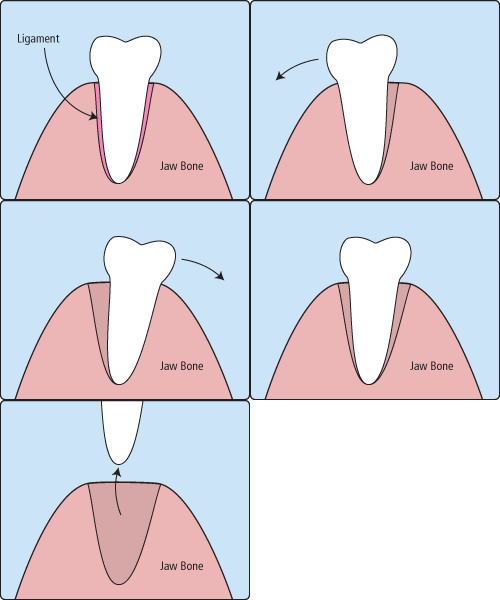
The root of each tooth is encased within your jawbone in a “tooth socket,” and your tooth is held in that socket by a ligament. In order to extract a tooth, your dentist must expand the socket and separate the tooth from the ligament holding it in place. While this procedure is typically very quick, share with your dentist your concerns and ask about options for sedation.
Once a tooth has been removed, neighboring teeth may shift causing problems with chewing or with your jaw joint function, and so moving forward your Loudoun County dentist may recommend that you replace the extracted tooth with a bridge or even partial dentures.
Simple vs. Surgical Extractions
A simple extraction is used for a tooth that’s fully visible above the gumline — the tooth is loosened and removed with local anesthetic, often the same day it’s diagnosed. A surgical extraction is needed when a tooth hasn’t fully erupted or has broken below the gumline, which is common with wisdom teeth; this involves a small incision to access the tooth. Either way, we’ll talk through sedation options with you if you’re nervous about the procedure.
Recovering From a Tooth Extraction
- Bite on the gauze provided for 30–45 minutes to help a blood clot form
- Use an ice pack on your cheek for the first 24 hours to reduce swelling
- Stick to soft foods and avoid chewing near the extraction site for a few days
- Avoid using straws, smoking, or rinsing forcefully for at least 24 hours — dislodging the blood clot can lead to a painful complication called dry socket
- Take over-the-counter pain relievers as needed; some mild soreness for a few days is normal
When to Call Us
Mild soreness is expected, but according to MouthHealthy from the ADA, dry socket pain tends to be more intense and can start a couple of days after the extraction, sometimes with a visible empty-looking socket or a bad taste in your mouth. If that happens, call us right away rather than waiting it out — it’s a quick fix once you’re seen.
Replacing an Extracted Tooth
Once a tooth is gone, neighboring teeth can shift over time, which may affect your bite and jaw comfort. Depending on the tooth, we may recommend a bridge, partial denture, or a dental implant (including TeethXpress for full-arch replacement) to keep your bite functioning normally.
Frequently Asked Questions
Does a tooth extraction hurt?
The area is fully numbed with local anesthetic before we begin, and sedation is available if you’re anxious. Some soreness for a few days afterward is normal and manageable with over-the-counter pain relievers.
How long does it take to heal after a tooth extraction?
Initial healing takes about one to two weeks, though it can vary depending on the tooth and whether it was a simple or surgical extraction.
What are the signs of dry socket?
Dry socket pain is usually more intense than normal healing pain, can start a couple of days after the extraction, and may come with a visible empty socket or an unpleasant taste. Call us right away if you notice these signs.
Do I need to replace an extracted tooth?
It depends on the tooth, but neighboring teeth can shift over time without a replacement. We’ll discuss whether a bridge, denture, or implant makes sense for you.
Schedule a Tooth Extraction Consultation
Call (703) 542-7600 or schedule your appointment online.